
The Future of UK Horse Racing: Exploring the ‘Not On’ Phenomenon
Horse racing has long been a staple of British culture, a thrilling spectacle that draws millions of spectators and punters alike. However, the industry faces numerous challenges, particularly with the rising trend of ‘not on’ racing events. This article delves into the implications of this trend, including its impact on bettors, racecourses, and the wider economy. As we explore the intricacies of UK horse racing, it is essential to consider how the sport adapts to changing circumstances, including popular options like UK horse racing not on GamStop British horse racing not on GamStop for punters seeking alternatives.
Understanding ‘Not On’ Racing Events
The term ‘not on’ refers to horse racing events that are canceled or postponed, often due to unforeseen circumstances such as weather conditions, health and safety concerns, or logistical challenges. These interruptions can lead to significant economic ramifications, especially in a country where horse racing is a multimillion-pound industry. The absence of scheduled racing events creates a ripple effect, impacting everyone from trainers and jockeys to betting companies and fans. The rise of virtual horse racing and online betting platforms has provided some respite for punters. However, these alternatives may never fully replace the excitement of attending a live event.
The Economic Impact of Cancellations
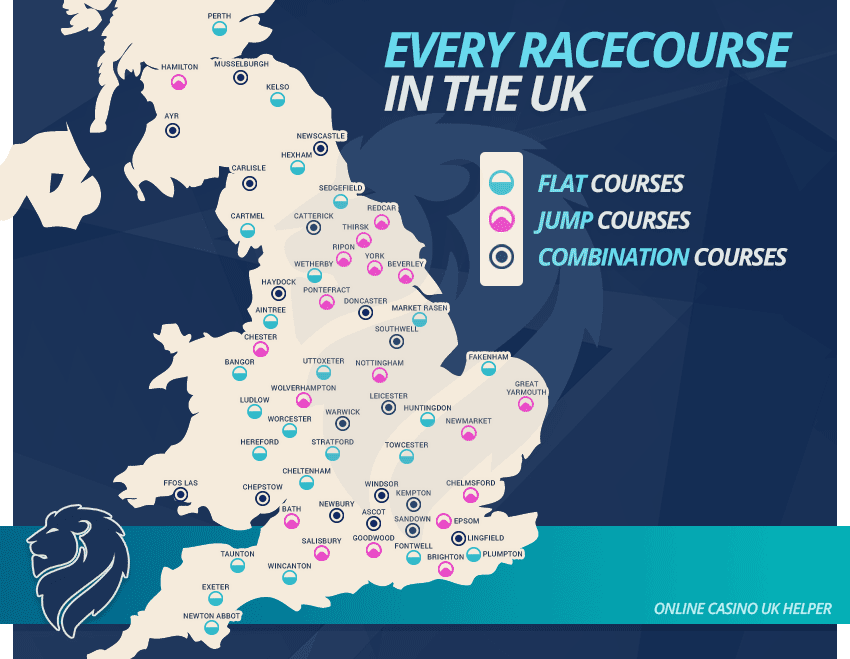
Every canceled race can cost local economies dearly. Consider the instance of a race meeting at a prominent venue like Aintree or Ascot, where thousands gather to witness the event. The immediate result of a ‘not on’ event not only affects ticket sales but also involves losses for local businesses that depend on the influx of visitors. Hotels, restaurants, and shops in the vicinity of racecourses often see a rapid decline in sales on days when races are not held. Furthermore, the long-term implications could discourage visitors from planning their trips around racing days, particularly if cancellations become a trend.
Challenges Faced by the Industry
The horse racing industry faces several challenges that contribute to the prevalence of ‘not on’ events. Weather remains an unpredictable factor, affecting ground conditions and safety precautions for both horses and attendees. Health and safety guidelines, especially in the post-COVID era, have evolved, requiring racecourses to be proactive in managing public health concerns. Moreover, regulatory pressures and the changing landscape of gambling laws can impact scheduling and course operations, intensifying the likelihood of cancellations.
Impact on Jockeys and Trainers
Jockeys and trainers are at the front lines of these challenges. Their livelihoods depend on the consistent scheduling of races to generate income through prize money and betting. With races frequently being called off, many in the industry are forced to adapt. Trainers may have to make difficult decisions regarding their stables, including the breeding and care of horses, while jockeys risk a decline in competitive opportunities. Continuing professional development and alternative avenues for income become essential during these tumultuous times, with many jockeys seeking to transition into other roles within the sport or explore related fields.
Innovation and Adaptation in Racing
In response to the challenges posed by ‘not on’ racing events, the industry is beginning to innovate and adapt. Digital platforms have emerged that allow fans to engage with the sport from the comfort of their own homes, providing live-streamed events and virtual racing experiences. The engagement of technology in horse racing has opened new doors, attracting a younger demographic that may not have initially been interested in the sport. With advances in data analytics, trainers can better assess race strategies, while bettors can make informed decisions based on real-time insights and statistics.

The Role of Betting Companies
Betting companies play a pivotal role in the transition of horse racing amid the ‘not on’ phenomenon. As cancellations increase, these companies have developed platforms that offer alternative betting options, including virtual races and online casinos. The rise of online gambling sites allows enthusiasts to place bets on simulations that mimic live racing scenarios. However, the legitimacy and appeal of such alternatives are subject to scrutiny, especially among traditionalists who value the authenticity of live races. Comprehensive regulations and responsible gambling measures remain crucial to ensure the industry’s integrity and protect bettors.
The Future of UK Horse Racing
As we glance toward the future, it becomes evident that UK horse racing must continue to evolve alongside public expectations and external circumstances. The ‘not on’ phenomenon, while posing challenges, also presents opportunities for growth and reinvention. The industry can build its resilience by embracing change and adapting to ongoing innovations. Engaging a younger audience and diversifying offerings through digital platforms will be key in fostering a new era for horse racing.
Conclusion: Embracing Change
In conclusion, the rise of ‘not on’ racing events in the UK serves as a stark reminder of the fragility of the horse racing industry. However, it also sparks a transformative phase where embracing change could lead to revitalization. By leveraging technological advancements, addressing economic repercussions, and understanding the elusive nature of scheduling, the future of UK horse racing can indeed be bright, even in the face of adversity. As stakeholders across the spectrum—trainers, jockeys, racecourse owners, and punters—collaborate to navigate this evolving landscape, there remains a shared hope for a more resilient and inclusive racing community.